


DIN EN853 1ST
| Quantity: | |
|---|---|


Our DIN EN853 1ST hydraulic hose is a premium single-layer high-tensile steel wire braid hydraulic hose, fully compliant with the European DIN EN853 standard, built exclusively for heavy industrial operators, engineering equipment manufacturers, and mining operation enterprises. Engineered for extreme working conditions, this hose features a precision three-layer structure, delivering stable and safe hydraulic fluid transmission for high-pressure systems. With a wide working temperature range of -40℃ up to +121℃, it offers exceptional compatibility with petroleum-based hydraulic oils and water-based fluids, solving core pain points such as hose degradation, pressure instability, and short service life in continuous heavy-load industrial operations. It is the trusted hydraulic solution for enterprises pursuing long-term reliable performance in harsh environments.
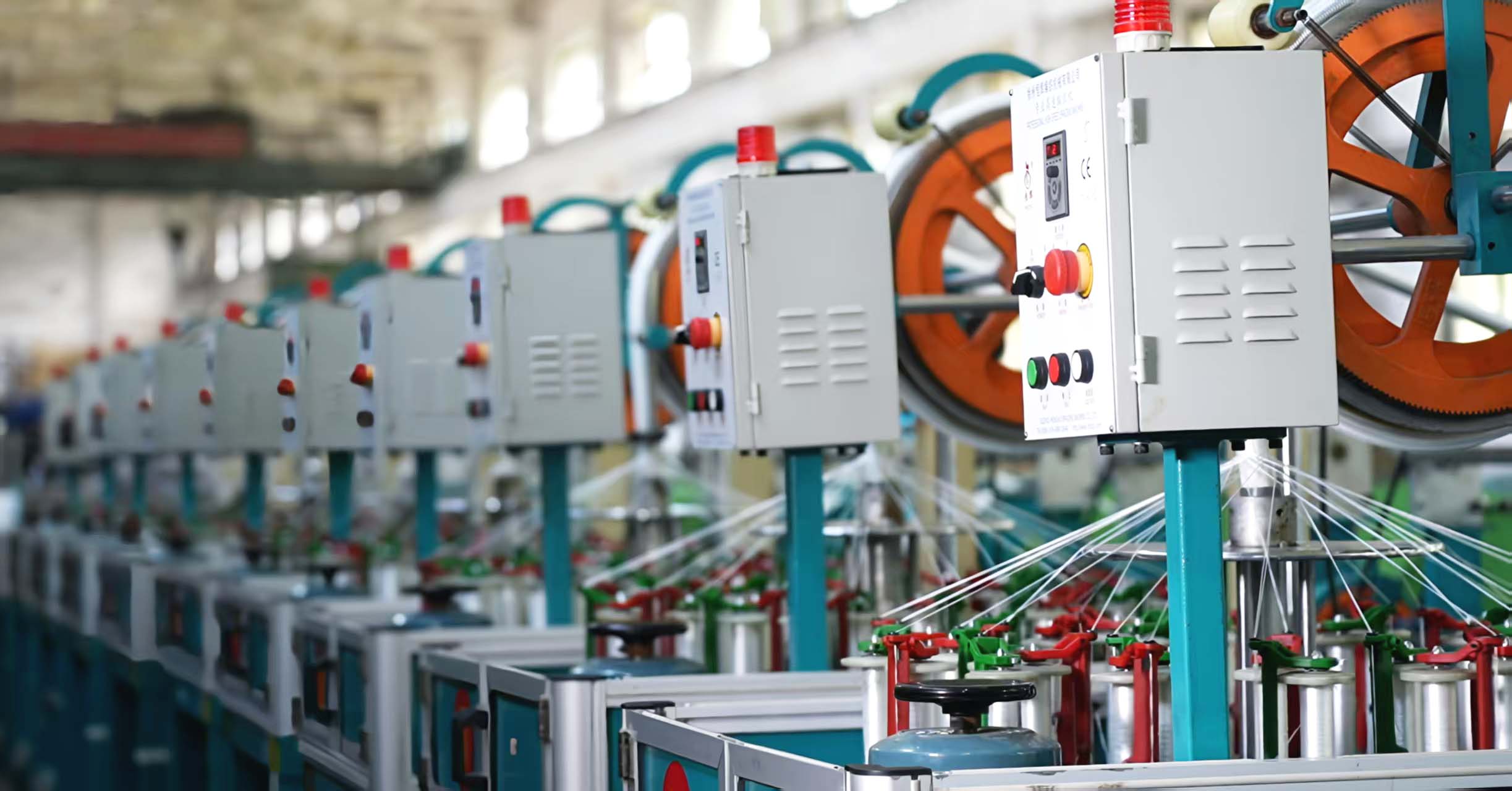 Fiber weaving | 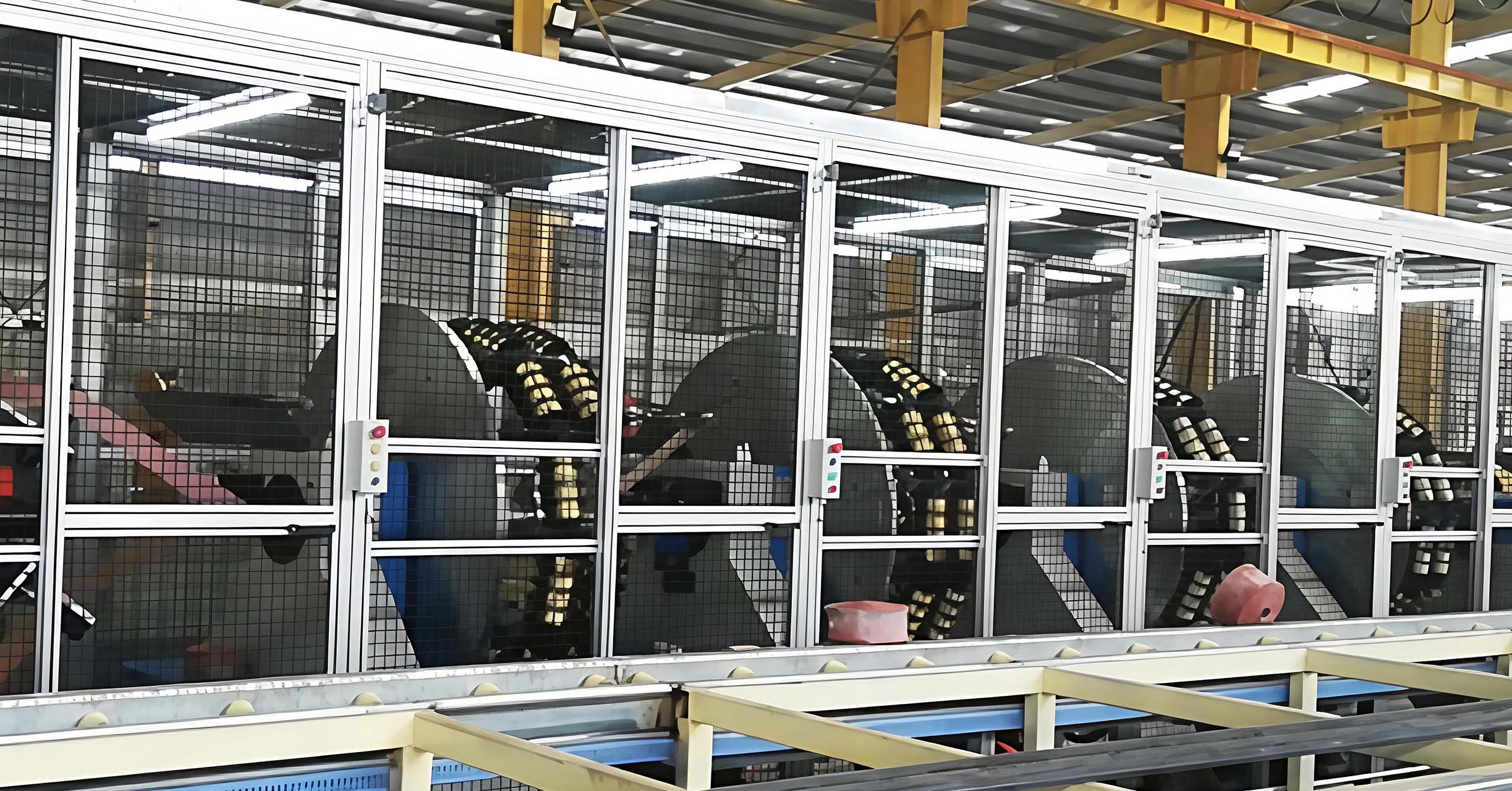 Steel wire winding | 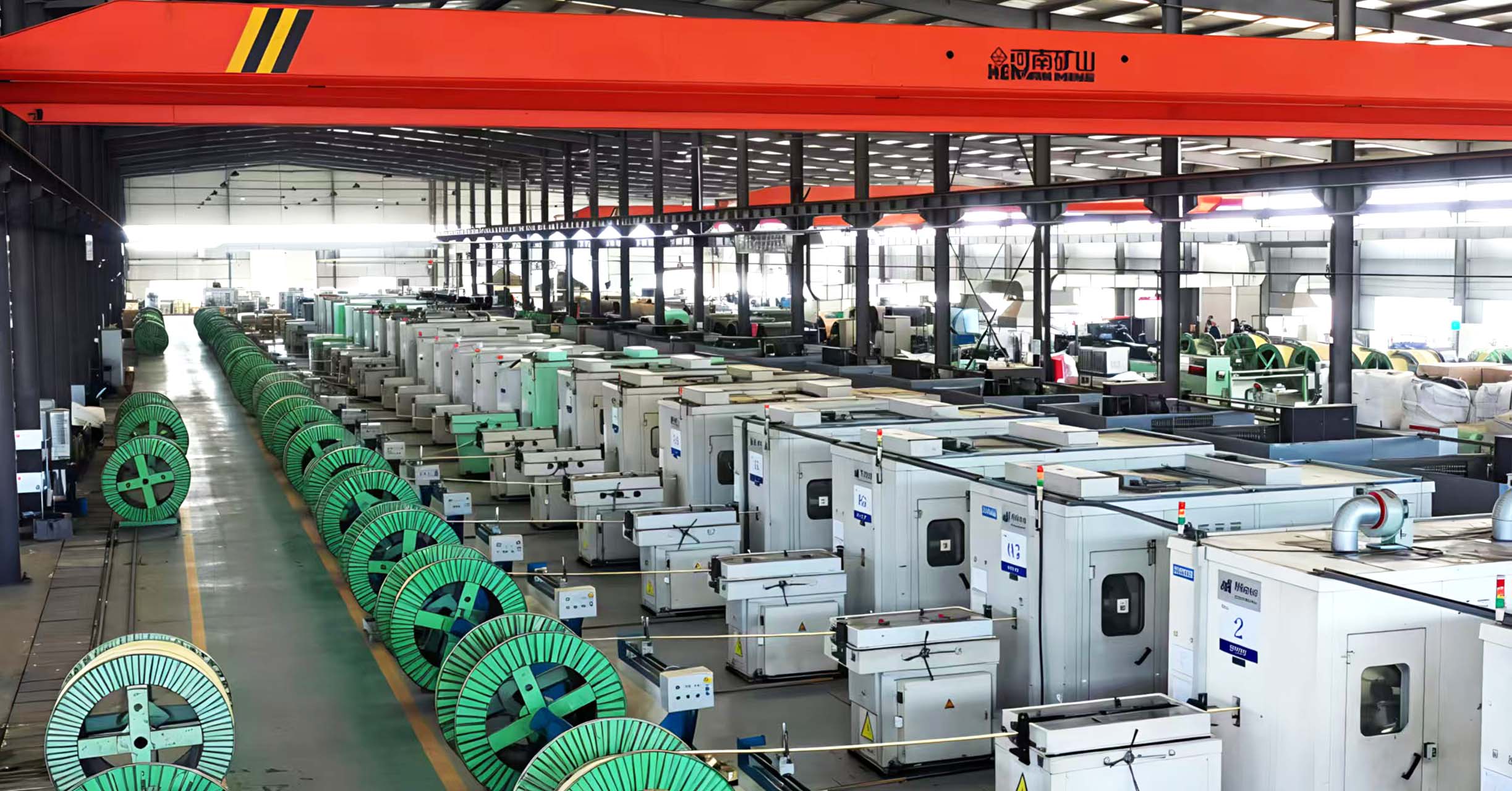 Wire braiding machine |
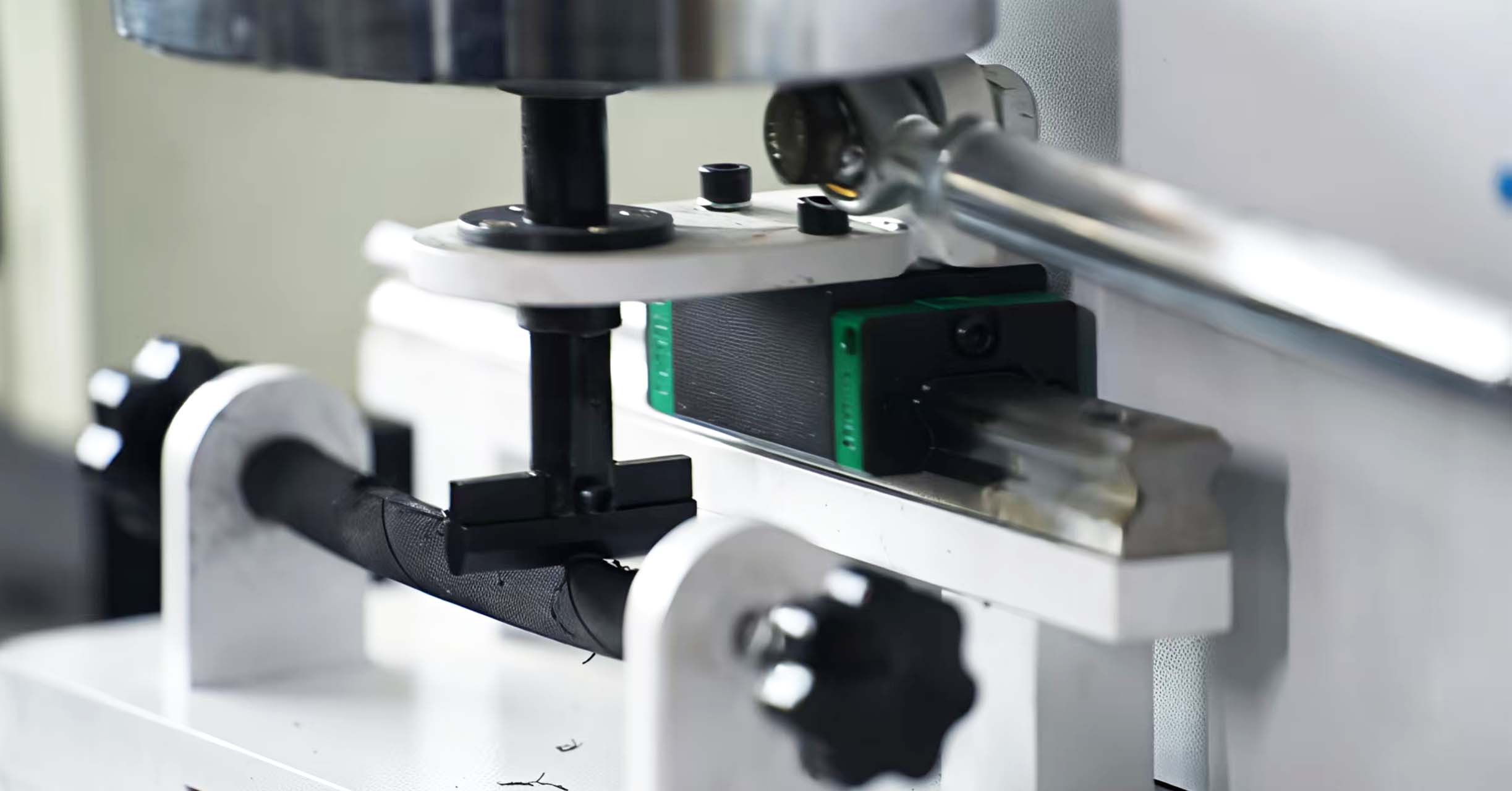 Friction testing machine | 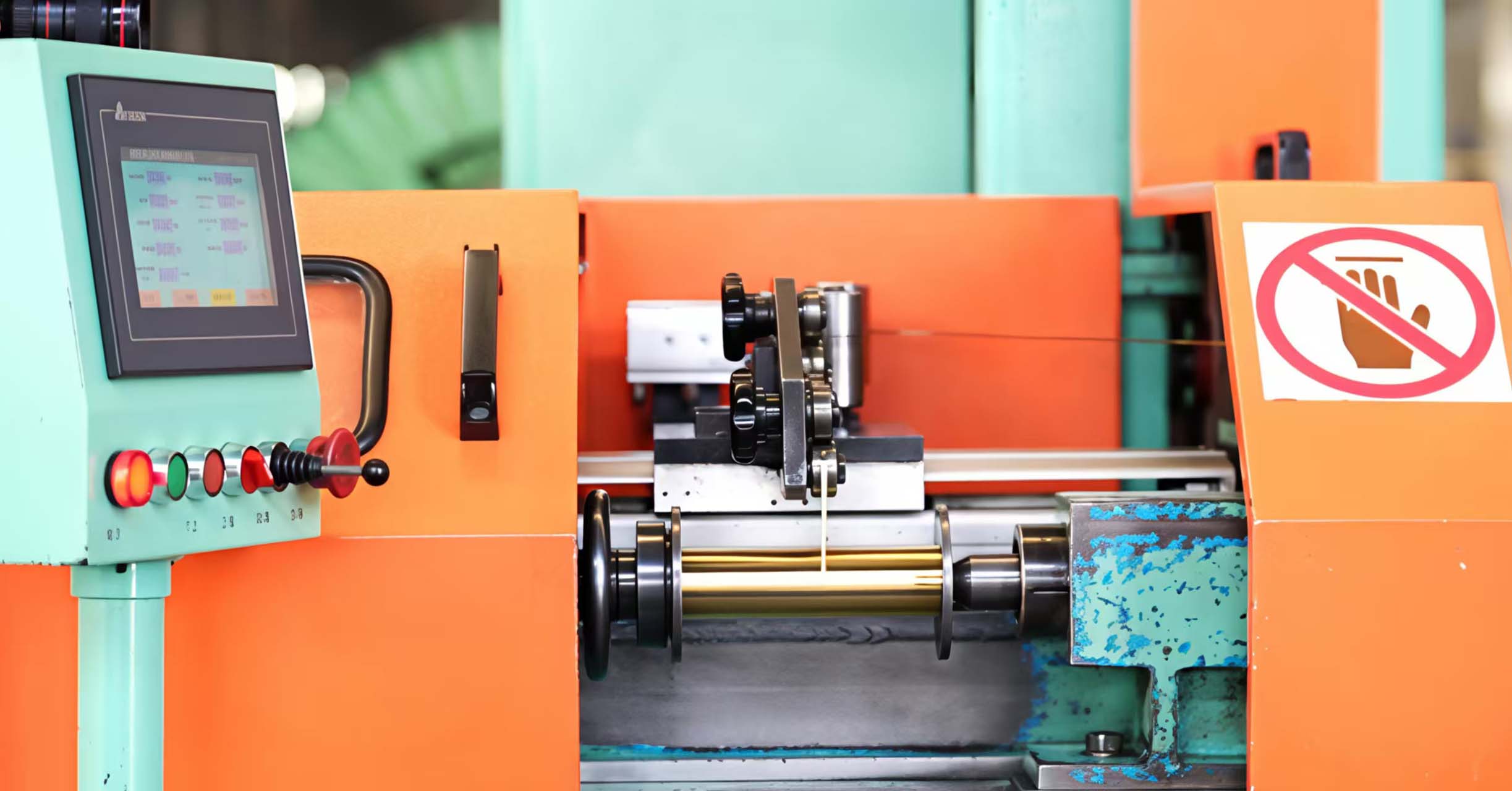 High-speed joint venture | 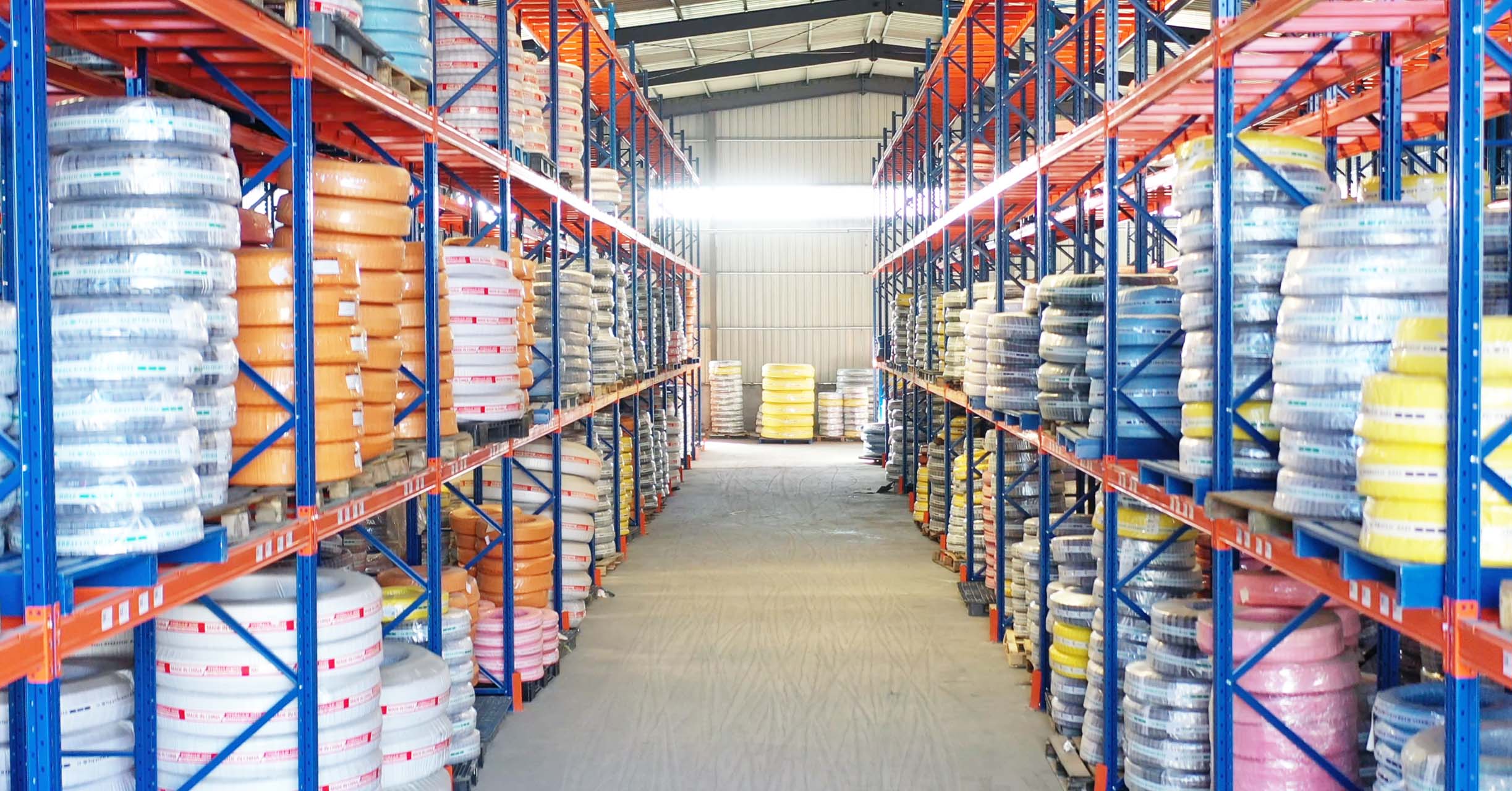 Storehouse |
The DIN EN853 1ST hydraulic hose adopts a reinforced three-layer design optimized for heavy-duty scenarios. The inner tube is made of high-performance oil-resistant synthetic rubber, which provides superior medium compatibility, effectively resisting corrosion and degradation from long-term contact with hydraulic oils, ensuring stable fluid transmission without leakage. The reinforcement layer uses a single braid of high-tensile steel wire, delivering exceptional structural strength and pressure resistance while retaining excellent bending flexibility. The outer cover is formulated with oil, abrasion, and weather-resistant synthetic rubber, which withstands mechanical wear, outdoor UV aging, oil splashing, and harsh weather, greatly extending the service life of the hose in complex industrial environments.
Safety is the core design priority for high-pressure hydraulic systems, and our DIN EN853 1ST hydraulic hose sets strict safety standards. It maintains a 4:1 safety ratio between burst pressure and working pressure, for example, 3/16 inch and 1/4 inch specifications reach 900 bar burst pressure under 250 bar and 225 bar working pressure respectively. The proof pressure is about 2.16 times the working pressure, supporting safe system pressure testing without causing permanent structural damage to the hose. This scientific safety design effectively resists sudden pressure spikes in heavy-duty operations, avoiding equipment failure and safety accidents, and reducing unplanned downtime for enterprises.
This hydraulic hose maintains stable performance in a wide temperature range from -40℃ to +121℃, adapting to both alpine outdoor construction and high-temperature forging workshop operations. The outer cover has excellent ozone and weather resistance, ensuring long-term outdoor use without cracking or aging, while the oil-resistant inner and outer layers fully adapt to oil-rich industrial scenarios, providing consistent performance in the most demanding working conditions.
The DIN EN853 1ST hydraulic hose is widely used in core industrial scenarios with high pressure and heavy load requirements. It is the preferred solution for mine hydraulic support systems and onshore/offshore oil exploration equipment, adapting to the harsh underground and marine working environments. It is also widely used in engineering construction machinery, crane transport equipment, forging metallurgy equipment, and large mining machinery, providing stable hydraulic power transmission for continuous heavy-load operations, and meeting the strict requirements of industrial enterprises for hose reliability and safety.
Inside Diameter | W.D. | Outside Diameter | Working Pressure | Proof pressure | Burst Pressure | Min.B.R. | Weight | ||
inch | mm | mm | mm | psi | bar | bar | bar | mm | kg/m |
3/16 | 4.8-5.4 | 8.9-10.1 | ** | 3625 | 250 | 540 | 900 | 89 | 0.2 |
1/4 | 6.2-7.0 | 10.8-11.4 | 15.0-15.8 | 3263 | 225 | 540 | 900 | 102 | 0.25 |
5/16 | 7.7-8.5 | 12.5-13.1 | 16.8-17.6 | 3118 | 215 | 510 | 850 | 114 | 0.31 |
3/8 | 9.3-10.1 | 14.5-15.1 | 19.0-19.8 | 2610 | 180 | 435 | 720 | 127 | 0.36 |
1/2 | 12.3-13.5 | 17.7-18.3 | 22.2-22.3 | 2320 | 160 | 385 | 640 | 178 | 0.45 |
5/8 | 15.5-16.7 | 21.1-21.7 | 25.4-26.2 | 1885 | 130 | 315 | 520 | 203 | 0.52 |
3/4 | 18.6-19.8 | 24.6-25.4 | 29.4-30.2 | 1523 | 105 | 255 | 420 | 241 | 0.65 |
1 | 25.0-26.4 | 32.1-32.9 | 37.6-38.4 | 1276 | 88 | 210 | 350 | 305 | 0.91 |
1-1/4 | 31.4-33.0 | 40.8-41.6 | 45.3-46.1 | 914 | 63 | 150 | 250 | 419 | 1.3 |
1-1/2 | 37.7-39.3 | 47.2-48.0 | 51.7-52.5 | 725 | 50 | 120 | 200 | 508 | 1.7 |
2 | 50.4-52.0 | 59.9-60.7 | 65.2-66.0 | 580 | 40 | 96 | 160 | 635 | 2 |

