FAQ
Q1:How does the wire braid design ensure no deformation under high pressure in sandblasting?
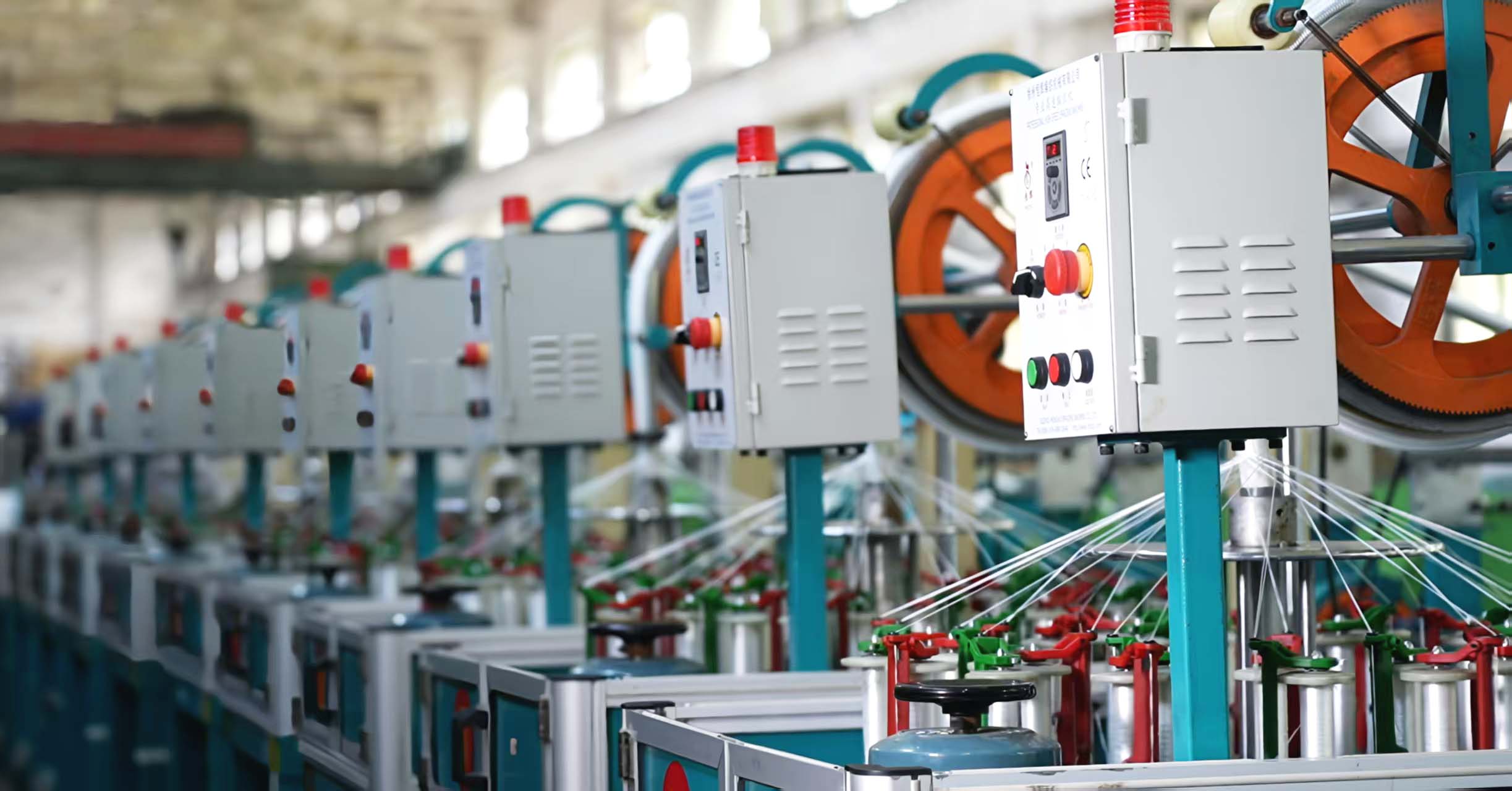
A1: The hose features wire braid reinforcement combined with a wear-resistant inner layer and an anti-aging, wear-resistant outer cover. This construction maintains structural integrity and prevents deformation even at high working pressures (up to 69 bar for 1" size). It reliably handles pressure demands in wind-pressured sand-spraying machines, ensuring consistent performance without collapse or shape loss during intense blasting operations.
Q2: What abrasion resistance levels are available, and how do they support long-term use?
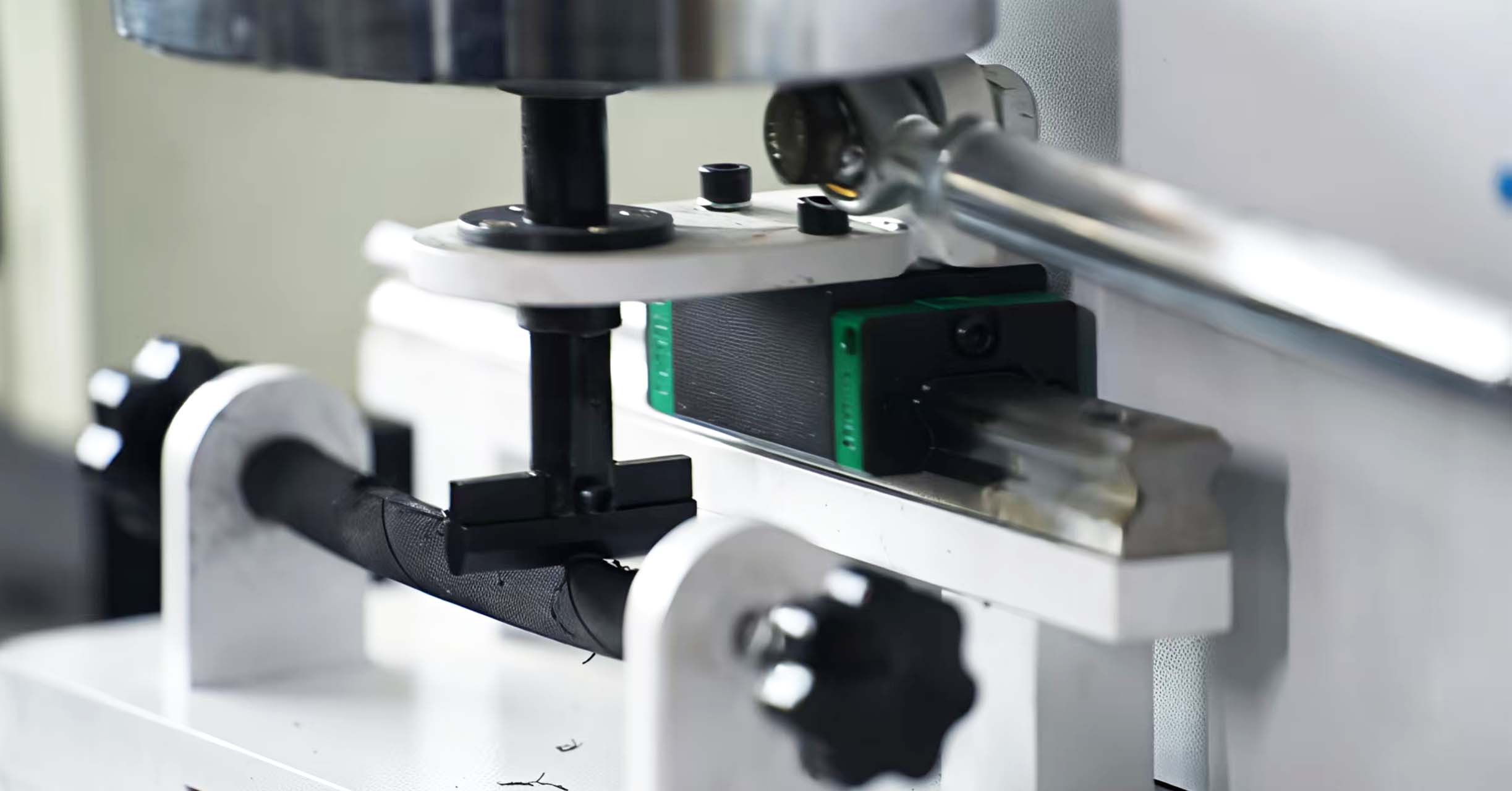
A2: Abrasion resistance is rated at 50 mm³, 65 mm³, or 110 mm³ per ISO 4649:2002, with the inner wear-resistant layer specially formulated to withstand constant impact from sand, grit, iron balls, or mortar. This high level of resistance contributes to a wear life at least 1.5 times longer than premium steel cord hoses, making the hose highly durable and cost-effective for extended continuous cycles in abrasive environments like rust removal and surface cleaning.
Q3:How do working pressures vary by hose size, and what does this mean for different blasting tasks?
A3: Working pressure (WP) is size-specific for optimal matching to equipment:
1" (25 mm): 69 bar
1-1/4" (32 mm): 43 bar
1-1/2" (38 mm): 35 bar
2" (51 mm): 26 bar
2-1/2" to 4" (64–102 mm): 25–18 bar Higher pressures in smaller sizes suit intense, focused rust removal or metal cleaning, while lower pressures in larger diameters support high-volume sand or cement mortar conveyance. Burst pressure is 4× or higher than WP across all sizes for added safety.
Q4: What customization is possible to match my sandblasting or conveyance needs?
A4: Customization covers inner diameter, outer diameter, length, working pressure, and cover color, with standard sizes from 1" to 4" (and available from 1/2" on request). Maximum standard length is 40 m ±1% per roll. These options allow tailoring the hose precisely to your wind-pressured sand-spraying machine, civil engineering project, or cement mortar delivery setup while preserving the core high-pressure, no-deformation, and exceptional wear-resistant characteristics.